Step 5: Do Your Own Dig!
It's hard to excavate creations on the Boston Harbor Islands. Do this activity to find out why! (You can also play with kinetic sand later.)
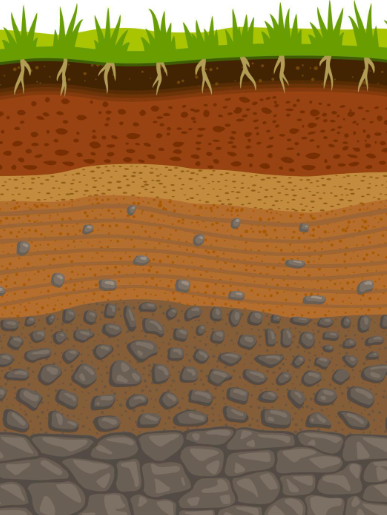
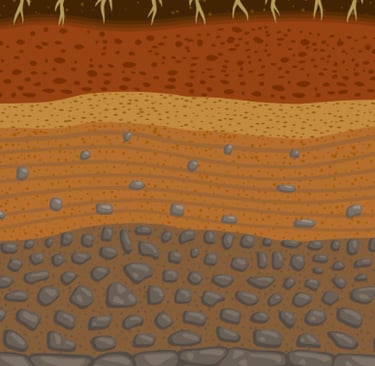
instructions
First, take the YELLOW kinetic sand and crumble into the plastic cup.
Take the animal cracker and press into the kinetic sand.
Next, take the PURPLE kinetic sand and crumble into the plastic cup to create a new layer of sediment.
Last, take the GREEN kinetic sand and crumble into the plastic cup to make your base layer of sediment.
Using your fingertips, gently press the layers downwards to compact the layers without breaking the animal cracker.
Turn the cup over into the plastic dish to form your 'island'.
Take the empty cup and fill it halfway with water.
Pour water into the plastic dish until it reaches the PURPLE kinetic sand.
Wait 30 seconds.
Using your excavation tools, slowly brush away the sand one layer at a time to reveal the buried creation. You can also brush away the layers from the side. This simulates erosion on coastal sites.
Was it easy to excavate? What happened to the animal cracker? What did your soil layers look like when you finished your "dig". Write down and sketch your observations in the Field Notes Worksheet.
through indigenous eyes
Archaeology excavations teach us a lot about history. but once a site is excavated, it's also ruined. You can never put it back the way it was.
It is VERY important that archeologists partner with indigenous tribes, because they are digging up the tribes' own history.
Together, indigenous elders and experts, plus archaeologists can respect the dig sites, and also help us learn.
through indigenous eyes
How might the Massachusett tribe feel about excavations on their ancestral land?
Sometimes, the tribe does not want archaeologists to remove creations or finds from the ground. Can you think why?
How can archaeologists excavate sites in a respectful way?
Tribal members have historical knowledge that archaeologists don't have. How could they work together?
Contact
Questions? Reach out anytime!
team@gear-grinders.org
© 2025. All rights reserved.